November 24, 2026
Selecting carpet for offices, retail stores, and other commercial properties requires balancing durability, appearance, comfort, and long-term costs. The right flooring can improve a business's atmosphere while supporting daily operations and accommodating consistent foot traffic. Working with experienced carpet installers helps businesses identify flooring options that meet their functional needs and design preferences.
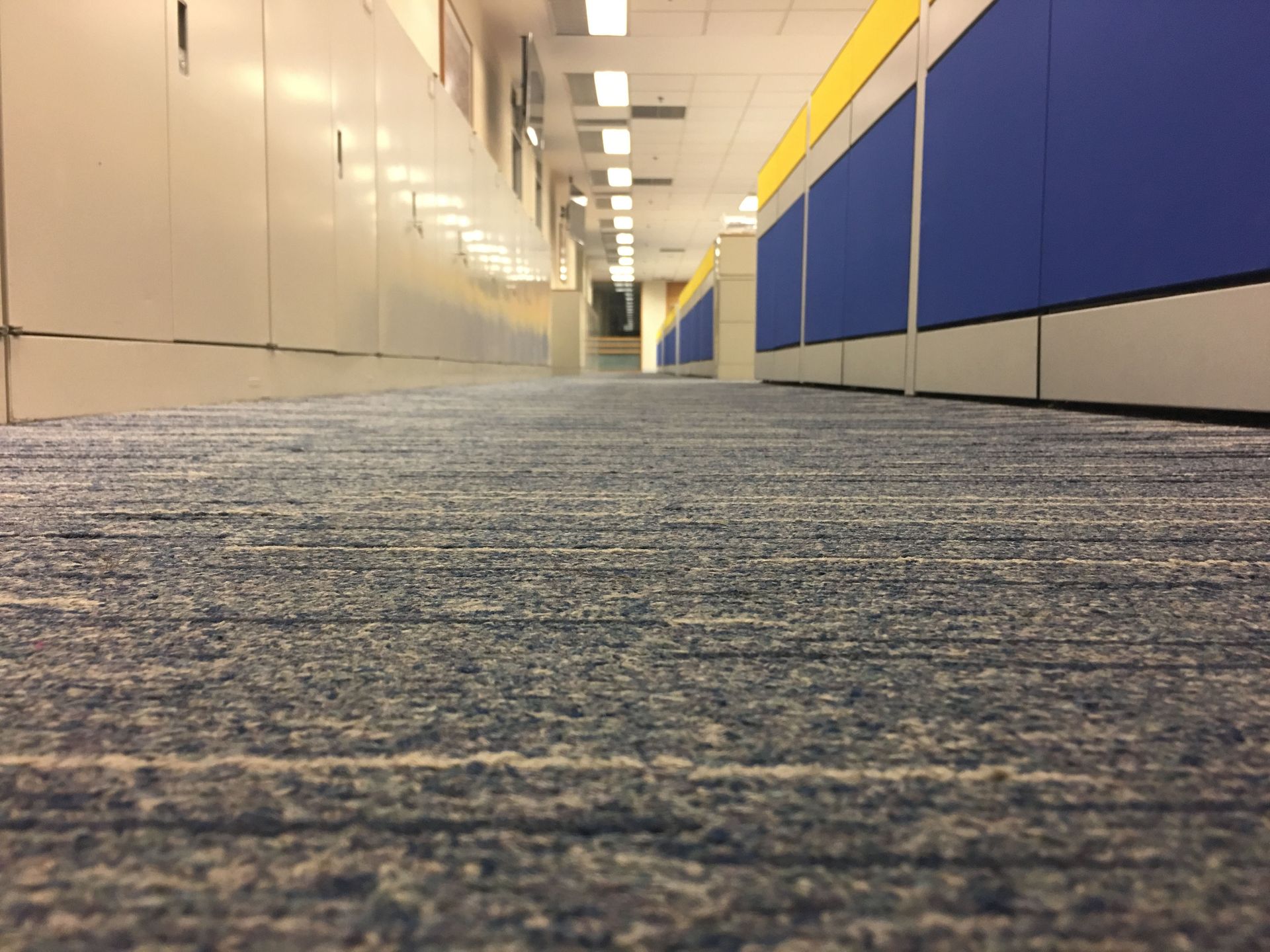
Commercial carpeting serves several purposes beyond providing an attractive floor covering. It can improve acoustics, create a more comfortable walking surface, and help establish a consistent appearance throughout a building. Whether a business is furnishing a new property or updating an existing space, selecting appropriate carpeting from carpet installers makes for a more welcoming environment for employees, customers, and visitors.
Selecting the Right Carpet Materials
Carpet fibers play an important role in determining how well flooring performs in a commercial environment. Nylon is a popular choice because of its durability, resilience, and resistance to everyday wear. Polyester and olefin offer affordable alternatives with good stain resistance, while wool provides a natural, luxurious appearance that may be better suited to lower-traffic spaces.
The amount of foot traffic a property receives should influence material selection. Entrances, hallways, and reception areas typically need durable fibers that can withstand frequent use without quickly showing signs of deterioration. Experienced carpet installers can help property owners compare fiber types and select materials that provide an appropriate balance of performance and appearance.
The construction of commercial carpeting also affects its performance. Loop pile carpet is often selected for busy environments because its construction helps resist crushing and maintain a consistent appearance. Cut pile options provide a softer, more traditional look that may work well in private offices, conference rooms, and other areas where comfort is a priority.
Evaluating Carpet Durability and Maintenance
Commercial carpeting must withstand daily activity while maintaining its appearance over time. Fiber density, pile construction, backing materials, and stain resistance all contribute to overall durability. Businesses should consider how frequently different areas will be used when deciding which products are appropriate for their properties.
Maintenance requirements should also factor into the purchasing decision. Different carpet materials respond differently to cleaning products and treatments, making it important to understand the recommended care requirements before selecting a product. Choosing flooring that accommodates a property's cleaning schedule can help businesses protect their investment and maintain an attractive interior.
Color and pattern selection can also influence how well carpeting maintains its appearance between cleanings. Medium shades and subtle patterns may help disguise everyday dirt and minor signs of wear better than extremely light or solid-colored options. This can be particularly beneficial in retail stores, office corridors, and other areas that receive frequent visitors.
Improving Sustainability and Indoor Comfort
Businesses increasingly consider environmental impact when selecting commercial flooring. Carpets made with recycled materials and products designed to produce low volatile organic compound emissions can support sustainability goals and contribute to better indoor air quality. Certifications such as Green Label Plus can help businesses identify products that meet established indoor air quality standards.
Carpet also offers acoustic benefits that can make commercial environments more comfortable. Its fibers help absorb sound from conversations, footsteps, and everyday activity, making it useful in offices, conference rooms, and shared workspaces. Selecting appropriate carpet padding and materials can further improve sound absorption, particularly in multi-story buildings.
Comfort is another important consideration, especially in workplaces where employees spend extended periods standing or walking. Carpet provides a softer surface than many hard flooring materials, which can make common areas and employee spaces feel more inviting. Businesses can compare different carpet constructions and padding options to determine which combinations provide the right level of cushioning.
Planning Commercial Carpet Installation Costs
The cost of commercial carpeting depends on several factors, including material quality, square footage, backing, and installation requirements. Businesses should consider more than the initial purchase price when comparing products. Cleaning expenses, expected lifespan, and eventual replacement costs all contribute to the overall investment.
Working with professional carpet installers allows property owners to understand the costs associated with different flooring options. Professional evaluations can also identify subfloor preparation requirements, moisture concerns, and other factors that may affect the project budget. Comparing long-term value rather than focusing exclusively on upfront pricing helps businesses make more informed decisions.
The size and layout of a commercial property can also influence installation expenses. Larger spaces may require additional materials, while rooms with unusual dimensions, multiple doorways, or built-in fixtures may require more detailed planning. Businesses should also account for furniture relocation and scheduling requirements when establishing a realistic project budget.
Choosing Commercial Carpet Colors and Patterns
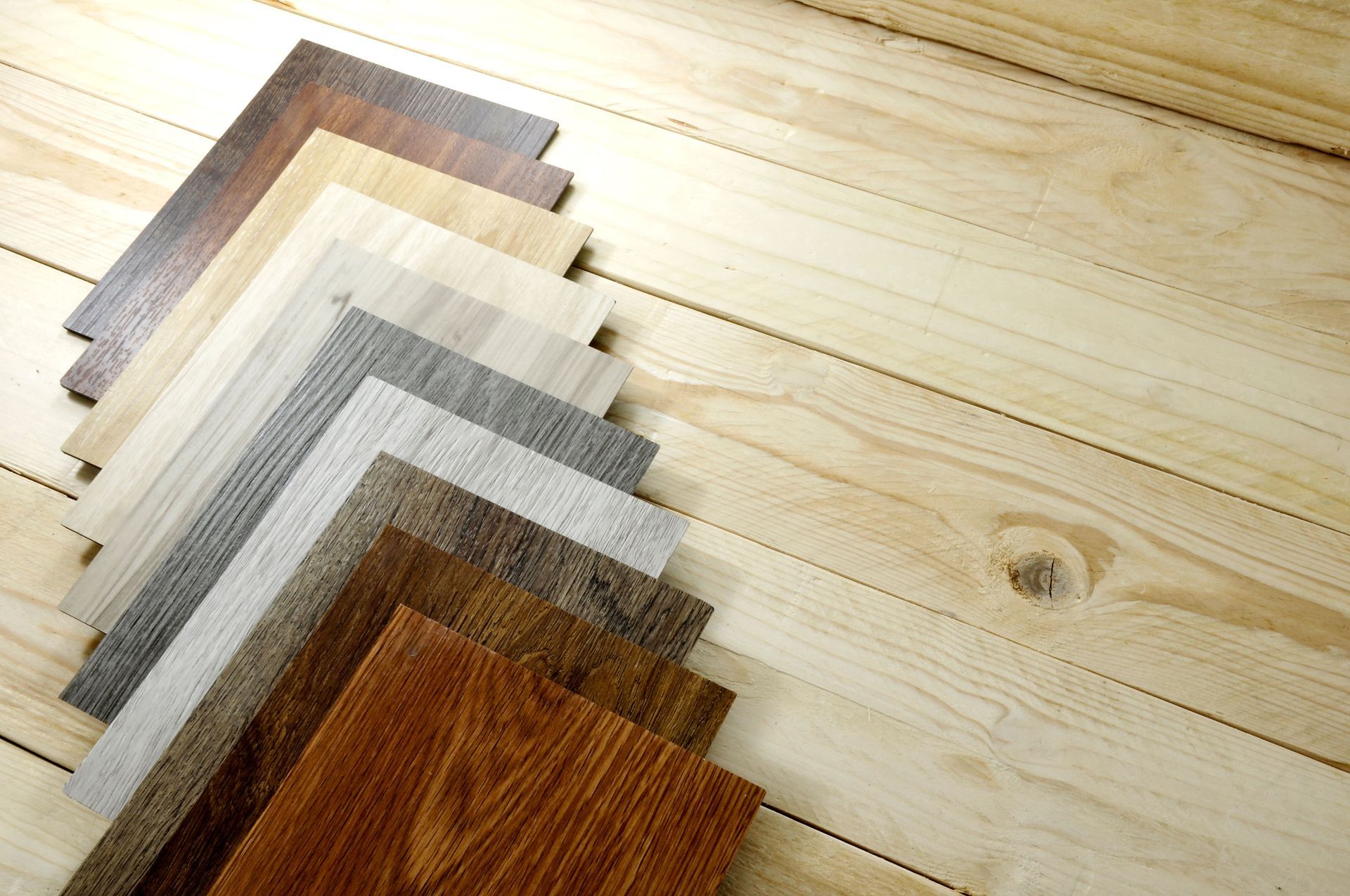
Carpet design influences how customers, employees, and visitors experience a commercial property. Neutral colors often create a professional atmosphere in offices, while more vibrant shades can help retail businesses establish an inviting and recognizable appearance. Patterns and textures also add visual interest while helping define different areas within an open commercial floor plan.
Businesses can incorporate flooring colors that complement existing furniture, fixtures, wall treatments, and branding elements. Coordinating these details creates a consistent appearance throughout the property and reinforces the company's identity. Carpet accounts for 48% of the total U.S. flooring market, according to the Carpet and Rug Institute, demonstrating its continued popularity as a flooring option.
Different commercial environments may benefit from different design approaches. A professional office might feature understated patterns and neutral shades that complement its furnishings, while a retail space could incorporate more distinctive colors that support its branding. Property owners should also consider how natural and artificial lighting will affect the appearance of carpet throughout the day.
Selecting the Best Commercial Installation Methods
Choosing the right installation method is just as important as selecting the carpet itself. Glue-down installation provides a secure surface that works well in areas with substantial foot traffic, while modular carpet tiles offer flexibility when individual sections need replacement. Stretch-in installation may also be appropriate for certain commercial environments where additional cushioning is preferred.
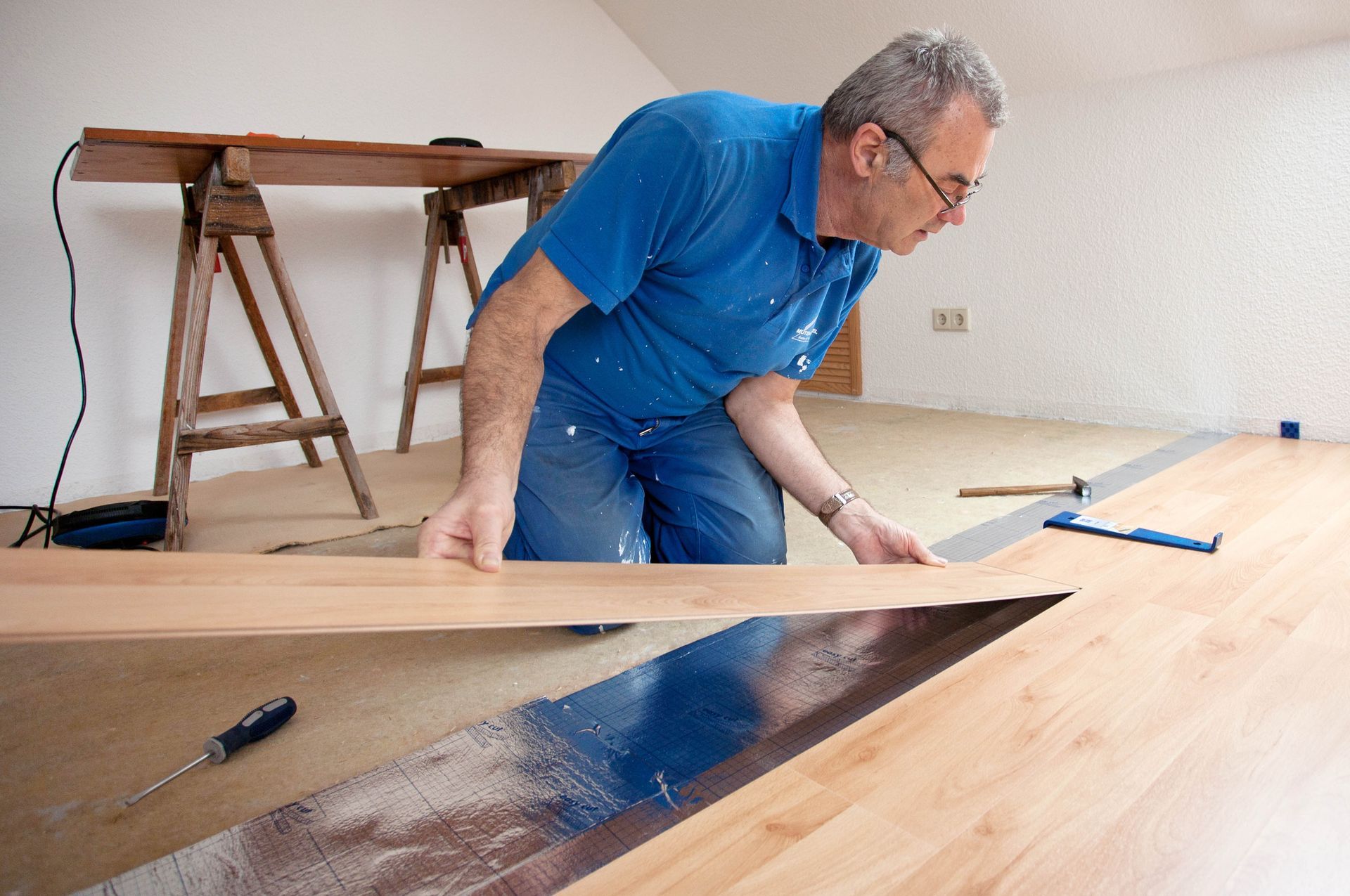
Proper subfloor preparation is essential for achieving a stable, long-lasting installation. The surface must be evaluated for uneven areas, moisture concerns, and other conditions that could affect the finished flooring. Professional carpet installers understand how to assess these requirements and select compatible adhesives, padding, and installation methods.
Scheduling is another important consideration for commercial properties. Businesses may need installation completed outside normal operating hours or in phases to minimize interruptions. Experienced carpet installers can coordinate project timelines, furniture arrangements, and access requirements to help keep the process organized and limit disruptions to daily operations.
Carpet tiles may be particularly beneficial for businesses that anticipate frequent changes to their interior layouts. Individual tiles can be replaced when damaged or stained without requiring an entirely new carpet installation. This flexibility can help offices, retail locations, and other commercial properties manage flooring maintenance while keeping their spaces functional.
Professional carpet installers can also help businesses determine how flooring transitions should be handled between carpeted rooms and other surfaces. Proper transitions create a more consistent appearance while helping reduce uneven edges between different flooring materials. Considering these details during the planning process contributes to a polished and cohesive commercial interior.
Choosing commercial carpeting is an investment in the appearance, comfort, and functionality of your property. From selecting durable materials to coordinating colors and professional installation, every decision contributes to the finished result. Contact 312 Flooring LLC to discuss your commercial flooring needs and explore carpet options that complement your property while providing dependable performance for years to come.