November 14, 2026
Natural timber surfaces have long served as a hallmark of architectural elegance, structural permanence, and refined interior design across diverse settings. From historic estates and luxury single-family residences to bustling retail boutiques and modern corporate headquarters, timber surfaces create an inviting atmosphere that synthetic alternatives struggle to replicate. Today, evolving design philosophies, heightened environmental standards, and groundbreaking manufacturing techniques are reshaping how architects, interior planners, and property owners view natural lumber surfaces. Modern hardwood flooring represents a dynamic intersection of traditional craftsmanship and contemporary engineering, offering unprecedented resilience while honoring natural beauty.
As interior architecture adapts to open-concept layouts, wellness-oriented design, and sustainable building criteria, timber surfaces continue to experience growing demand. Modern property owners no longer view natural lumber merely as a decorative layer; they regard it as a long-term architectural foundation that anchors interior spaces, improves indoor environmental quality, and elevates spatial visual flow. Understanding how cutting-edge processing, finishing, and installation methods are transforming these materials enables residential homeowners and commercial facility directors to create functional, stunning spaces that endure heavy daily activity across generations.
Embracing Sustainable Harvesting and Eco-Friendly Sourcing
Environmental sustainability has emerged as a guiding principle in modern commercial and residential construction, fundamentally influencing material selection across the industry. Discerning consumers and enterprise builders increasingly demand comprehensive accountability regarding timber origins, prioritizing materials obtained through certified responsible forestry initiatives. Modern lumber harvesting emphasizes selective thinning, reforestation mandates, and ecological conservation practices that safeguard biodiversity and replenish forest ecosystems. Responsible timber production ensures that utilizing natural timber supports environmental balance rather than contributing to deforestation.
Furthermore, technological advancements have maximized log utilization, allowing manufacturers to harvest slower-growing domestic and exotic timber species with negligible waste. Engineered lumber formats combine thin surface veneers of genuine timber with stable, multi-ply composite cores crafted from fast-growing, renewable species or recycled wood fibers. This structural composition preserves rare lumber resources while delivering superior dimensional stability across fluctuating moisture environments. By choosing sustainably sourced hardwood flooring, property owners actively reduce the embodied carbon footprint of their structures while enjoying the authentic, timeless character that only genuine natural timber provides.
Adopting Advanced Protective Finishes and Wear Layers
Historically, natural timber installations required meticulous maintenance, periodic waxing, and frequent surface sanding to resist surface scuffs, foot traffic abrasions, and water damage. In contemporary installations, advanced chemical engineering has revolutionized surface durability through factory-applied multi-coat curing technologies. Modern formulations incorporate ceramic micro-particles, aluminum oxide additives, and specialized ultraviolet-cured urethane coatings that establish an exceptionally tough, scratch-resistant barrier over delicate wood grain without obscuring organic warmth or natural plank patterns.
These advanced finishes empower architects to specify hardwood flooring in high-traffic commercial environments that previously relied on synthetic composite tiles or ceramic surfaces. Boutique hotels, corporate meeting spaces, and busy restaurants can showcase natural timber without succumbing to premature finish degradation or persistent scuff marks. Additionally, innovative water-based, low-emission sealants have eliminated pungent odors and dangerous airborne toxins during application, ensuring commercial spaces and residential properties maintain pristine indoor air quality during and immediately after installation.
Integrating Modern Acoustic Underlayments and Subfloor Technology
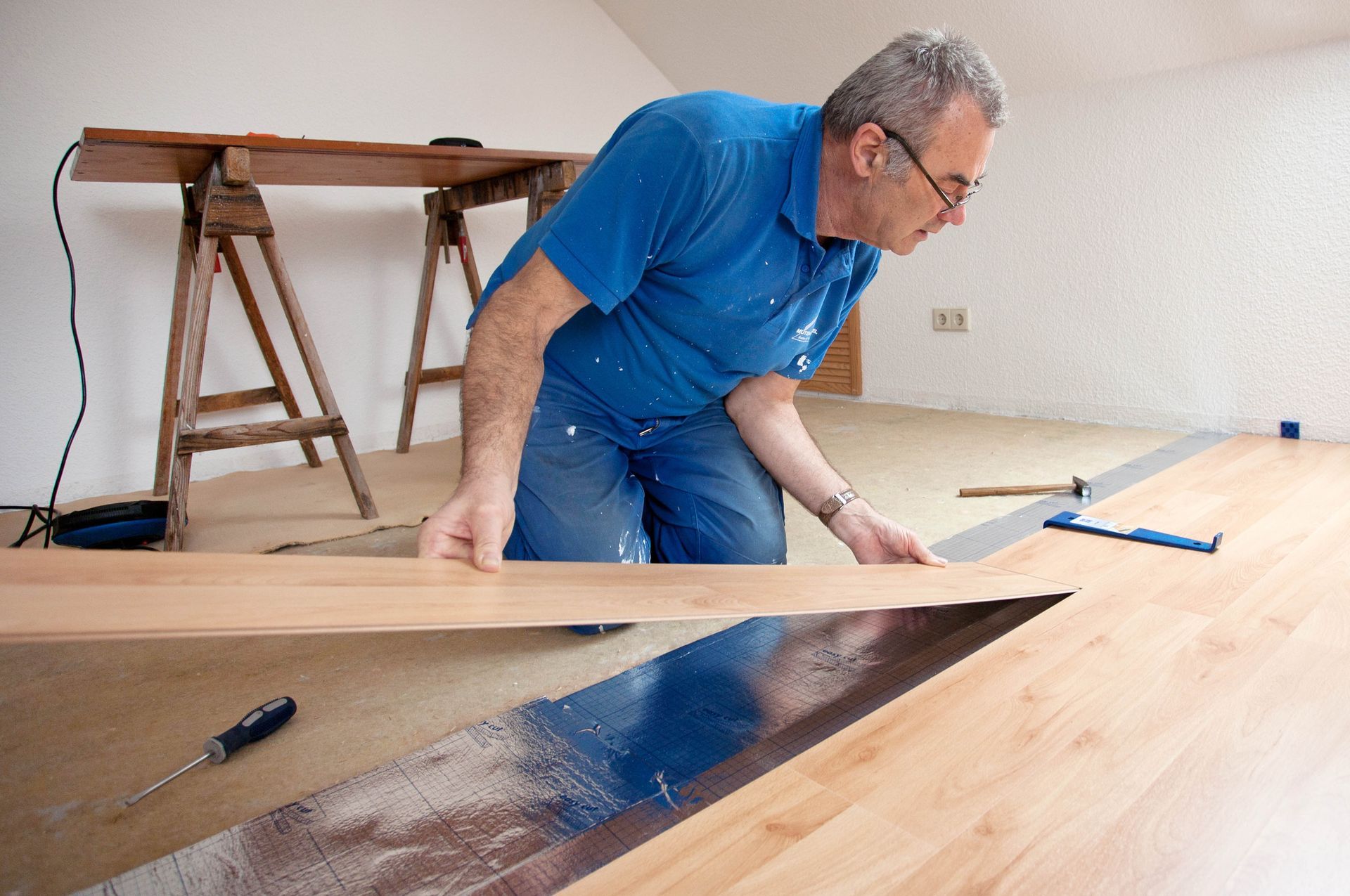
A common historical challenge associated with timber surfaces, particularly in multi-family residential complexes and multi-story commercial offices, involves sound transmission. Unwanted impact noise from footfalls, moving furniture, and structural vibrations can easily travel between floors, disturbing building occupants and violating urban residential acoustic guidelines. To address these sound transmission challenges, modern installation techniques incorporate advanced acoustic subfloor membranes designed to decouple timber planks from concrete substrates or wooden structural joists.
High-performance underlayments utilize recycled rubber granules, closed-cell acoustic foam, and natural cork composites that absorb impact energy and minimize sound transmission across multi-story buildings. Furthermore, these modern membrane materials integrate vapor mitigation barriers that prevent subterranean moisture migration, protecting surface planks against cupping, buckling, and warping. When commercial builders install hardwood flooring alongside engineered acoustic mitigation layers, they achieve superior sound-dampening benchmarks, creating tranquil, peaceful interior environments that promote concentration, productivity, and personal comfort.
Expanding Biophilic Design and Architectural Aesthetics
Biophilic design, which emphasizes integrating natural elements into built environments to support mental well-being and productivity, has become a cornerstone of contemporary architecture. Research continuously confirms that exposure to organic textures, natural grain variations, and earthy materials lowers stress levels and improves occupant mood within workplaces and residential interiors. Architects frequently anchor biophilic interior layouts with natural timber, celebrating organic knots, natural variations, and wide plank geometries that create an immediate connection to the natural world.
The ongoing popularity of organic elements across contemporary construction is mirrored in long-term economic forecasts across the building sector. According to an analytical industry evaluation by Research and Markets, the commercial and residential hardwood flooring sector is valued at $49.4 billion in 2025 and is anticipated to expand at a CAGR of 4.9% to achieve $75.8 billion by 2034. This significant market expansion demonstrates that property owners continue prioritizing authentic organic surfaces over synthetic replicas, recognizing that natural timber provides unique visual prestige and long-term structural value across modern residential and commercial settings.
Incorporating Smart Maintenance and Climate Monitoring Systems
Maintaining the structural integrity of natural lumber requires regulating ambient environmental conditions, especially relative humidity and indoor temperature. Extreme shifts in interior humidity cause planks to expand during sweltering summer months and contract during dry winter heating cycles, occasionally causing visible gaps or structural stress along perimeter walls. Modern property owners increasingly leverage smart home automation and commercial environmental monitoring platforms to safeguard their interior timber investments from climate-induced movement.
Technicians can embed miniature, wireless environmental sensors within subfloor cavities or baseboard assemblies to continuously track relative humidity levels and subfloor moisture content. When these connected sensors detect abnormal environmental parameters, building automation systems automatically adjust whole-structure humidifiers, dehumidifiers, or ventilation units to restore ideal conditions. Integrating automated climate controls with hardwood flooring preserves uniform plank alignment, eliminates dimensional expansion stress, and prolongs the lifespan of protective surface finishes across unpredictable regional weather shifts.
Enhancing Multi-Functional Commercial and Living Environments
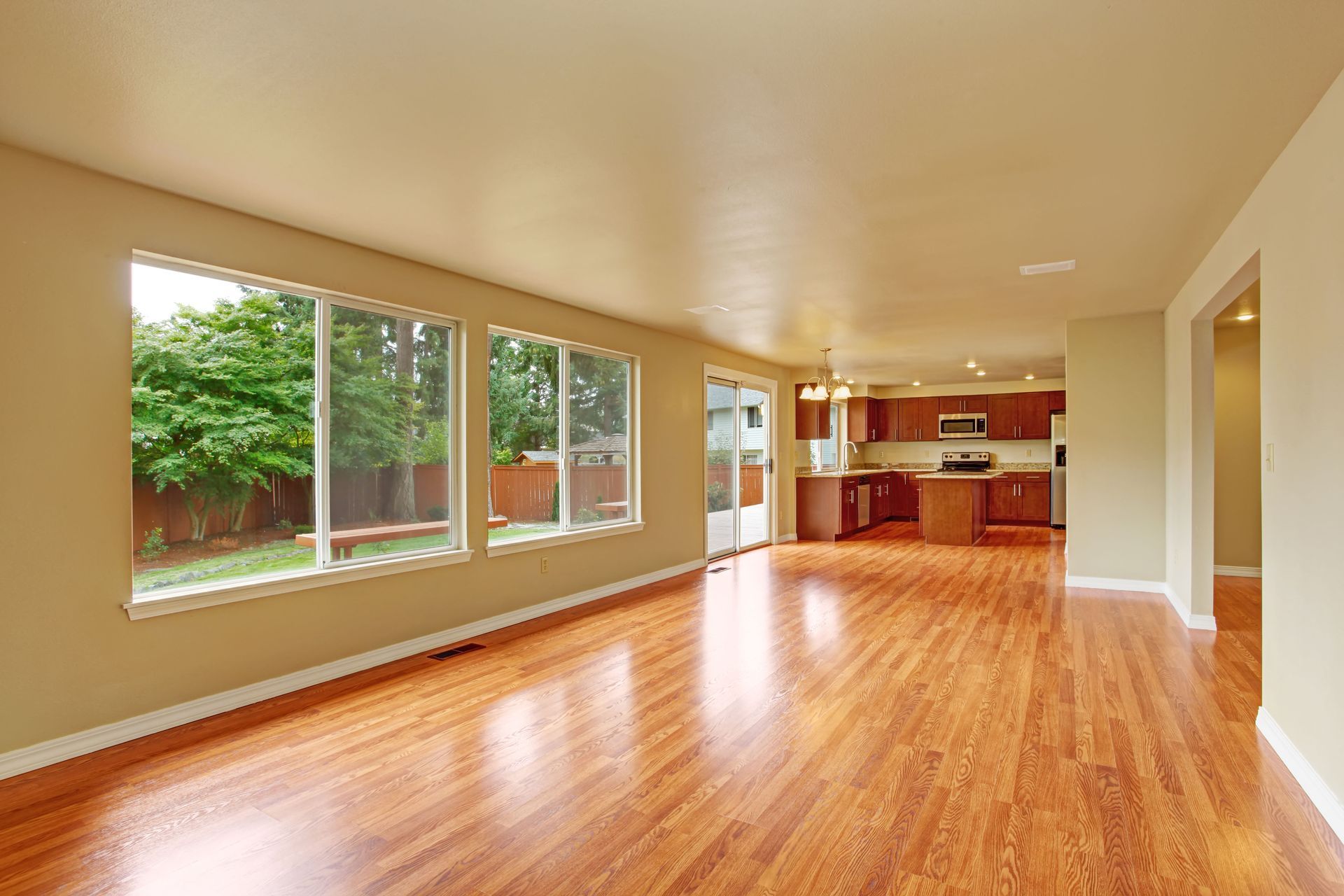
The modern era has redefined architectural layouts, blurring traditional boundaries between professional workspaces, leisure areas, and residential living zones. Hybrid working models have transformed home offices into central activity hubs, while commercial office campuses now incorporate residential comfort concepts, lounge settings, and informal meeting lounges. Modern timber surfaces provide the versatile visual continuity needed to unify diverse architectural spaces, seamlessly connecting private offices, collaborative zones, residential kitchens, and open living spaces.
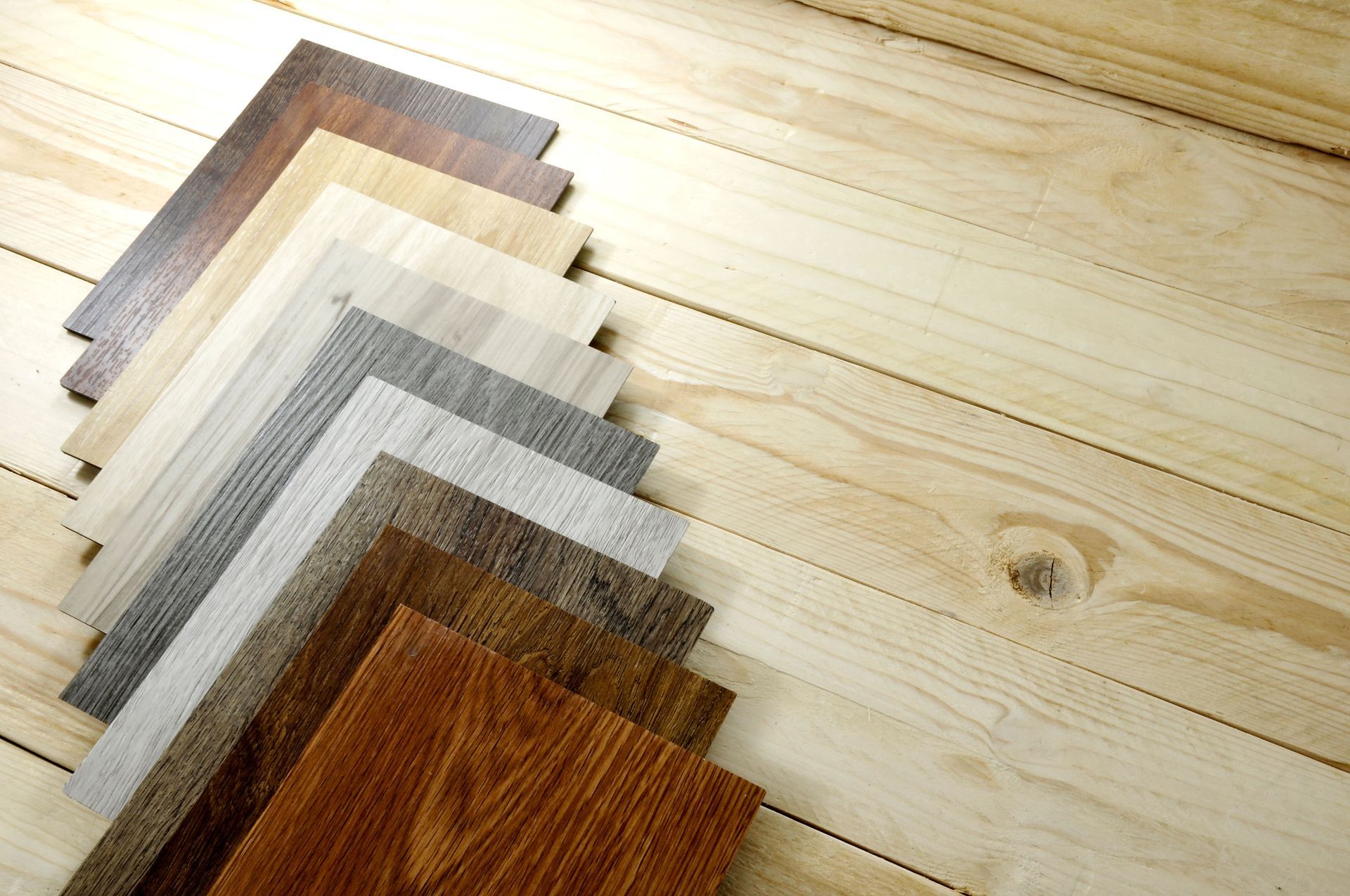
Specialized plank widths, wire-brushed surface textures, and ultra-matte protective sheens allow designers to customize spatial atmospheres according to specific functional requirements. Wire-brushed surfaces conceal minor indentations from office chairs or active pets, while light-toned European oak and domestic white oak maximize natural light diffusion throughout broad communal spaces. By deploying hardwood flooring across versatile floor plans, designers establish a harmonious aesthetic baseline that adapts effortlessly to evolving occupant lifestyles, shifting furniture configurations, and multifunctional interior uses.
The ongoing evolution of natural timber surfaces highlights an inspiring balance between timeless craftsmanship and innovative material science. With sustainably managed forestry practices, high-durability nano-particle finishes, advanced acoustic isolation systems, and integrated environmental sensors, natural lumber continues to set the standard for high-performance interior architecture. Selecting genuine timber surfaces ensures that homes, corporate offices, and retail spaces remain functional, visually captivating, and resilient for decades into the future.
If you are ready for a remarkable interior transformation that elevates your residential or commercial space, contact us at 312 Flooring LLC today. We will help you select and install exceptional timber surfaces tailored specifically to your architectural vision and operational needs.