March 20, 2026
Choosing the right surface for your home is a decision that balances aesthetics, durability, and daily functionality. When you begin the process of upgrading your interior, the debate between traditional materials and modern synthetic options often takes center stage. While hardwood has long been the standard for elegance, vinyl plank flooring has surged in popularity due to its resilience and versatility. Both options offer unique advantages that cater to different household needs and budgets. Understanding how each material performs under the pressure of foot traffic, moisture, and pets is essential before you commit to a major flooring installation. By evaluating your daily habits and long-term goals, you can choose a surface that enhances your living space while providing the longevity you expect from a significant home investment.
Comparing Durability and Resistance to Moisture
One of the most significant differences between these two materials is how they handle humidity and spills. Hardwood is a natural, porous material that reacts to changes in moisture levels, which can lead to warping or cupping if it becomes too wet. This makes it a risky choice for areas like basements, bathrooms, or kitchens where spills are frequent. On the other hand, vinyl plank is often constructed to be completely waterproof, making it a highly resilient option for every room in the house. Because it is made of synthetic layers, it does not swell or contract when the humidity fluctuates. This inherent stability ensures that your flooring installation remains flat and beautiful even in challenging environments where natural wood might fail over time.
Evaluating Long-Term Lifespan and Maintenance
When considering the value of your investment, it is important to look at how many years of service you will get out of the material. Hardwood is famous for its ability to be sanded and refinished multiple times, meaning it can literally last for generations if it is well-maintained. However, vinyl options have become incredibly durable in their own right. According to The Spruce, with proper installation and care, good-quality vinyl plank flooring lasts around 20 years. While you cannot sand it down like wood, the top wear layer is designed to resist scratches, dents, and stains from heavy furniture and active pets. For many homeowners, the ease of maintenance—simply sweeping and mopping without the need for specialized waxes or oils—makes the modern synthetic option a more practical choice for a busy lifestyle.
Assessing Aesthetic Appeal and Home Value
There is no denying the classic beauty and prestige associated with genuine timber. Hardwood often provides a higher return on investment and is a major selling point for potential buyers who value traditional craftsmanship. Every plank is unique, offering natural variations in grain and color that are difficult to perfectly replicate. However, modern manufacturing techniques have allowed vinyl to mimic the look and texture of wood with stunning accuracy. Many high-end planks now feature embossed grain patterns that feel like real wood underfoot. For those who want the look of exotic or expensive wood species without the high price tag or the delicate maintenance requirements, a professional flooring installation using luxury vinyl can provide a high-end appearance that fits a more modest budget.
Analyzing Installation Complexity and Overall Costs
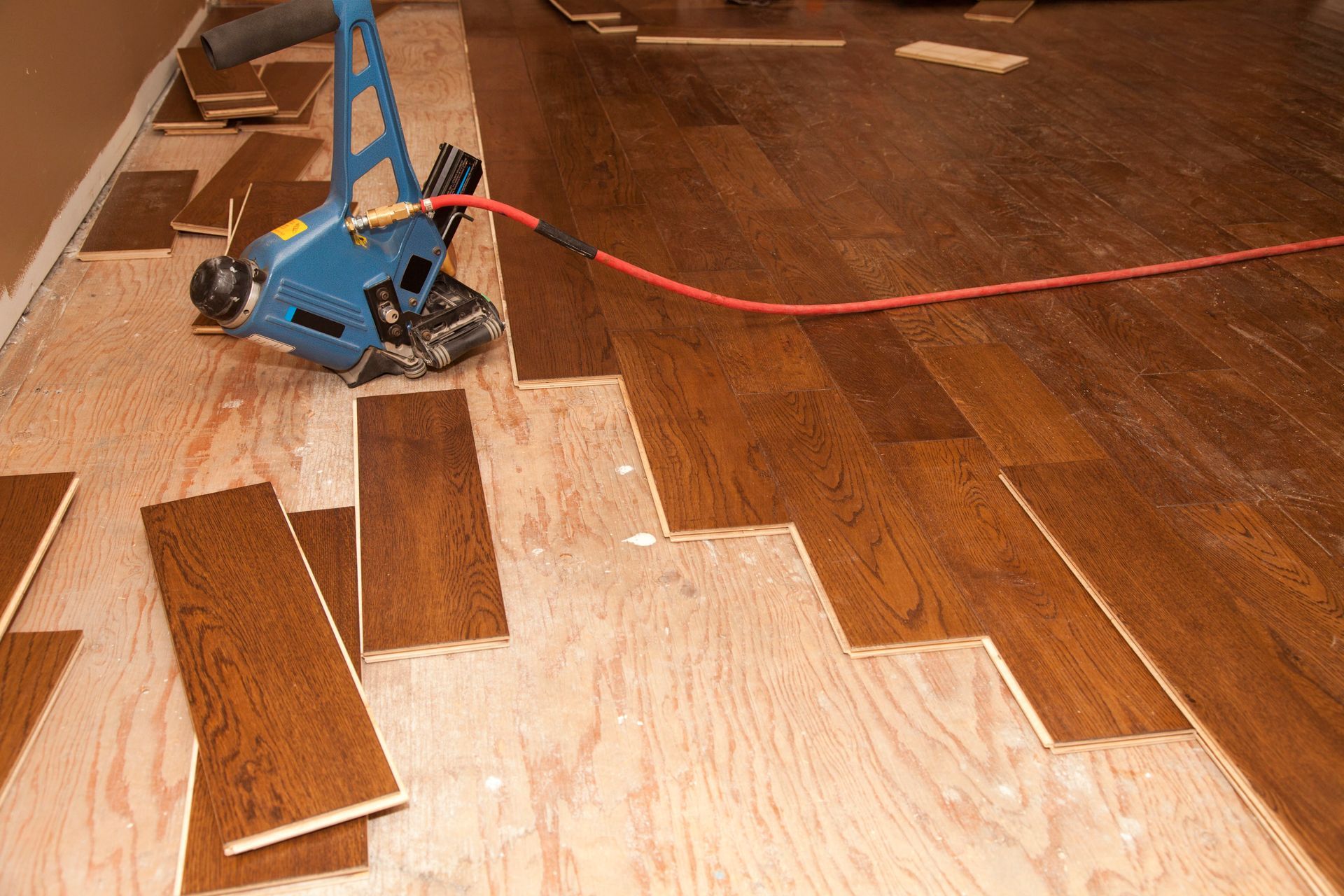
The total cost of your project is often determined by both the price of the materials and the labor required to put them in place. Hardwood requires a more intensive process that often involves nailing or gluing the planks to a subfloor, followed by acclimation periods to ensure the wood doesn't move after it is set. This complexity usually results in a higher labor cost for a flooring installation. Vinyl planks are frequently designed with a click-lock system that allows for a "floating" setup, which can be completed much faster. This efficiency makes vinyl a more budget-friendly option for those who want to see immediate results without a lengthy construction period. Regardless of the material you choose, the quality of the subfloor preparation is the most critical factor in ensuring the final result looks professional and stays secure.
Finding the perfect balance between style and substance is the key to a successful home renovation. Whether you prioritize the timeless nature of real wood or the rugged, waterproof performance of synthetic planks, your choice will define the atmosphere of your home for years to come. Both materials offer distinct benefits that can accommodate various architectural styles and family dynamics. When you are ready to transform your space with a professional flooring installation, working with a team that understands the technical nuances of each material is vital. Call 312 Flooring LLC today to learn more about our options and to schedule a consultation for your next project.