July 24, 2026
Walking into a home with plush, clean carpeting offers an immediate sense of comfort. Soft underfoot and excellent for insulating a room against both cold temperatures and loud noises, textile flooring remains a highly popular choice for homeowners. However, every fabric has a lifespan, and flooring is no exception. Over the years, daily foot traffic, accidental spills, pet activity, and environmental dust have taken a cumulative toll on the fibers. While routine vacuuming and occasional deep cleaning can extend the longevity of a floor covering, there inevitably comes a point where maintenance is no longer sufficient. Recognizing the signs that a floor has reached the end of its functional life is essential for maintaining a healthy, beautiful, and efficient household. Knowing when to transition from simple upkeep to professional carpet installation is the first step toward revitalizing a living space.
Signs That Indicate Structural Degradation
Noticing Persistent Odors That Remain After Cleaning
One of the most immediate signs that a textile floor has outlived its usefulness is a lingering scent that refuses to dissipate. When liquids or organic materials penetrate deep into the fibers and reach the underlying cushion, they become trapped. Even the most powerful steam cleaning machines often fail to extract moisture that has soaked into the deep padding beneath the surface. Over time, this trapped dampness can create a breeding ground for unpleasant smells that spread throughout the entire room. If a space continues to smell musty or stale even after a thorough professional cleaning, the internal structure of the material has likely broken down, indicating that a complete replacement is the only effective solution.
Spotting Stubborn Stains That Do Not Fade
Accidents are an inevitable part of daily life, especially in busy households with children or companion animals. Modern fabrics are often treated with stain-resistant coatings, but these protective barriers gradually wear away due to friction and age. When the protective shield disappears, deep pigments from spilled beverages, mud, or pet accidents bond permanently with the fibers. Trying to scrub these areas frequently results in frayed textures and discoloration, making the spot look even more noticeable. When a room features multiple unsightly spots that resist specialized chemical treatments, it signals that the material can no longer repel debris, making new carpet installation a practical choice for restoring the visual integrity of the room.
Identifying Severe Wear and Visible Fraying
High-traffic zones, such as hallways, entryways, and living room pathways, experience continuous pressure every single day. Eventually, this constant friction causes the individual loops or tufts of fabric to unravel, split, or mat down permanently. When fibers lose their resilience, they can no longer stand upright, resulting in flat, rough patches that feel uncomfortable to walk on. Fraying along the seams or near doorways is another clear indicator of structural failure. Once the primary backing of the material begins to separate from the face yarn, the structural integrity is lost, and no amount of grooming will restore its original texture.
Detecting Lost Cushioning and Uneven Surfaces
The comfort of a soft floor relies heavily on the quality of the padding installed underneath the visible fabric. This cushion acts as a shock absorber, protecting the upper layer from excessive wear while providing a soft feel underfoot. As the years pass, the padding breaks down, loses its elasticity, and compresses into flat, hard sections. You might notice that certain parts of the room feel like walking directly on concrete or plywood, while other, less-frequented areas still retain some bounce. Wrinkles, ripples, or large lumps across the floor suggest that the backing has stretched out, which poses a tripping hazard and requires a fresh carpet installation to correct.
Health and Environmental Impacts of Aged Surfaces
Experiencing Increased Allergy Symptoms Indoors
Beyond the visual and structural issues, the age of a floor can directly influence the well-being of the people living inside the home. The dense weave of textile fibers acts like a giant filter, capturing airborne particles, dander, and pollen that float through the indoor environment. While this filtration system is beneficial initially, it eventually reaches a saturation point where it can no longer hold any more debris. According to the American Lung Association, carpets that have been in use for over ten years generally harbor an increased accumulation of deeply embedded allergens and environmental pollutants. When residents start experiencing unexplained sneezing, coughing, or itchy eyes while spending time indoors, it often means the flooring is releasing trapped particles back into the air with every step taken.
Facing Unseen Accumulations Beneath the Surface
Even in homes where vacuuming occurs multiple times a week, a standard vacuum cleaner only reaches the top layers of the material. Fine dust, microscopic skin cells, and outdoor dirt sift through the mesh backing over time, accumulating into a thick layer of fine debris on the subfloor. This hidden accumulation cannot be reached by topical cleaning methods. When a floor remains in place for over a decade, the sheer volume of trapped particulates becomes a permanent fixture of the indoor environment. Choosing to undergo a new carpet installation allows professionals to remove the old materials completely, clean the exposed subfloor thoroughly, and establish a completely sanitary baseline for the household.
The Professional Process of Floor Renovation
Removing the Outdated Materials Carefully
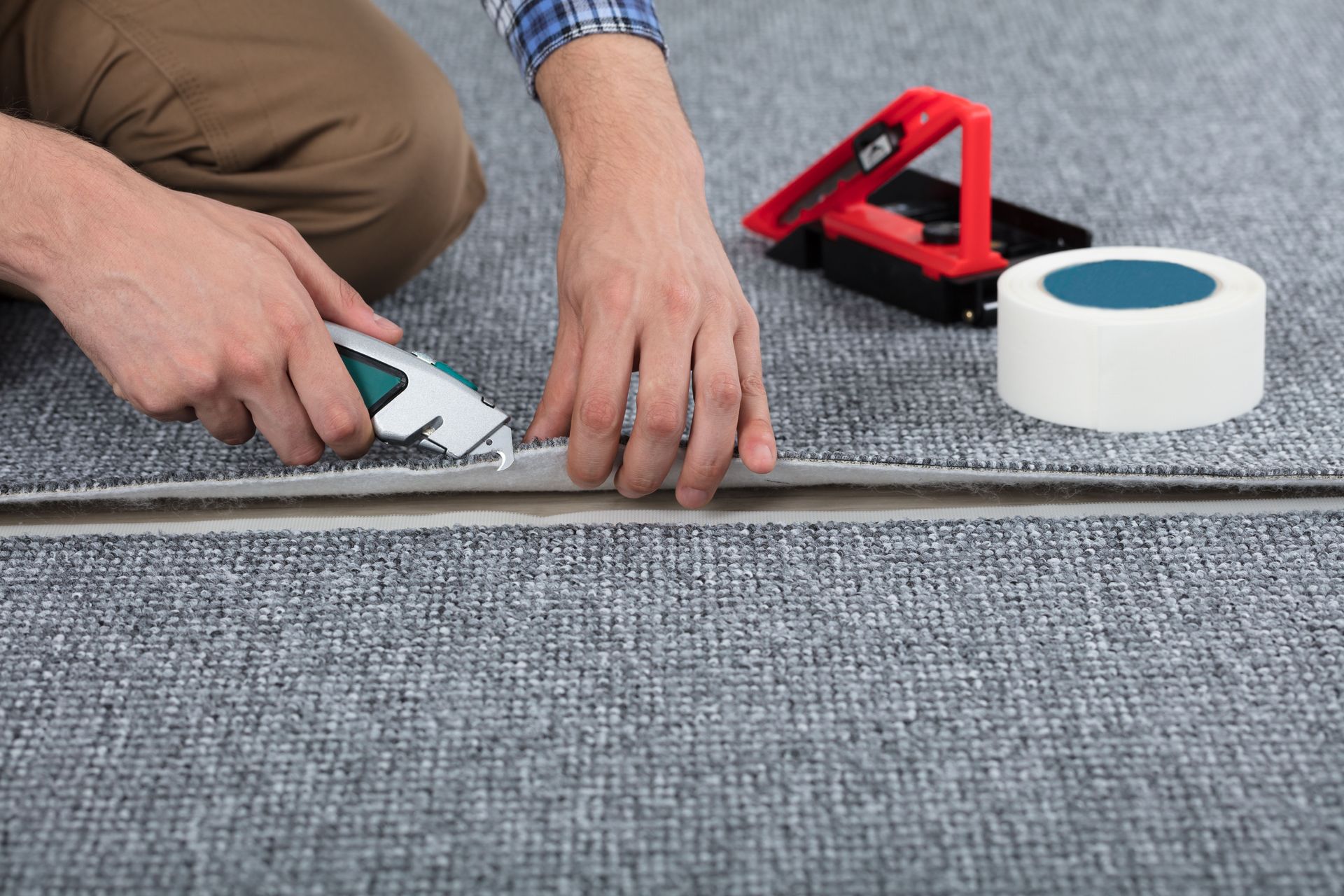
The actual transition requires a systematic approach to ensure the subfloor remains undamaged. Professional installation crews begin by carefully removing the existing baseboards or trims if necessary, followed by cutting the old fabric into manageable strips. The old padding, which is often stapled or glued down, must be scraped away entirely to create a smooth, clean surface. Any hidden debris or dust left behind on the wood or concrete foundation is vacuumed away, ensuring that the foundation is pristine before the new materials are introduced.
Preparing the Subfloor for Lasting Results
A successful carpet installation relies heavily on the quality of the foundation underneath. Installers inspect the subfloor for uneven sections, loose boards, or squeaks that need tightening. New tackless strips are secured along the perimeter of the room to hold the upcoming fabric tightly in place. Next, a fresh, high-density cushion is laid out and secured across the entire area, providing the essential shock absorption and thermal insulation required for long-term comfort.
Completing the Precise Installation Process
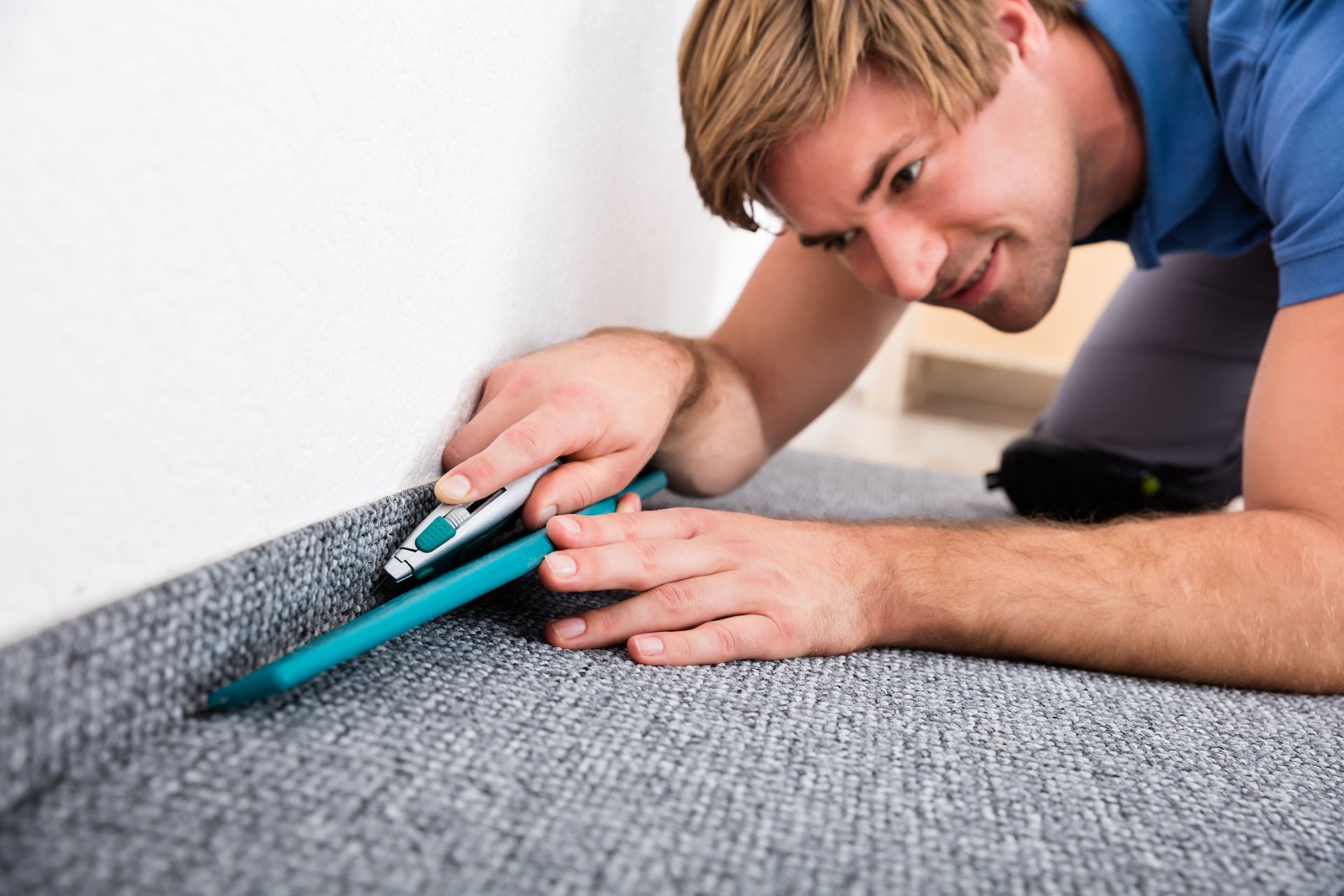
The final phase of carpet installation involves layout planning and precise execution to make seams virtually invisible. The new carpet is rolled out, aligned perfectly with the walls, and cut to fit the specific contours of the room. Using specialized tools like power stretchers, the installation team pulls the fabric tautly across the space, anchoring it firmly onto the perimeter tack strips. This precise stretching prevents future ripples or wrinkles from forming as the material settles. Once the edges are tucked neatly into the transitions and the trim is replaced, the transformation is complete, leaving behind a clean, resilient, and beautiful floor.
Recognizing when to replace an aging floor is a vital part of property maintenance that impacts aesthetics, comfort, and indoor health. When persistent odors, stubborn stains, visible fraying, and elevated allergy symptoms become a regular part of daily life, standard cleaning methods are no longer effective. Transitioning to a new
carpet installation removes hidden environmental pollutants and restores the structural integrity of your floors. By relying on experienced residential flooring services, homeowners can navigate the selection, measurement, and installation process smoothly, ensuring a flawless result. If you are ready to refresh your home's carpet, contact 321 Flooring LLC today for your free in-home estimate.